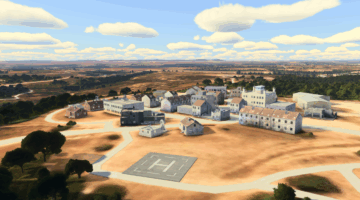
Maxar wins next phase of Army’s One World Terrain effort
Maxar has been working on the Army's virtual map program since 2019.
Maxar has been working on the Army's virtual map program since 2019.

“You think about, like, a picture's worth 1,000 words, the video clip’s worth a million words – well, how much is it worth to be able to literally experience it based on anywhere you are?”

Avoiding vendor lock and providing more room for sensors and upgrades are critical considerations.

The first class of trainee pilots to use the new technology — and the more individualized instruction it allows — are making rapid progress, Navy officials say.


In this Viewpoint from Rolls-Royce North America, Craig McVay, senior vice president of strategic campaigns and retired Marine Corps fixed-wing aviator, discusses how the company is bringing advanced technology and support to the USAF B-52 re-engining program.

DoD hopes that sharing spectrum will help lower costs and create a sustainable 5G industrial base as it battles to keep up with China.

Read about the 20 innovators in AI, biotech, materials & more who will compete at AUSA’s Huntsville conference in March as the Army shakes up its acquisition system.

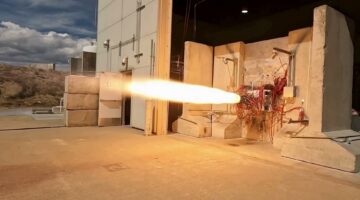
Demand signals from leadership are shaping investments in design, engineering and manufacturing.

The Army’s building a detailed VR map of the planet and the service’s CIO sees JEDI as the logical place to host such a massive database.
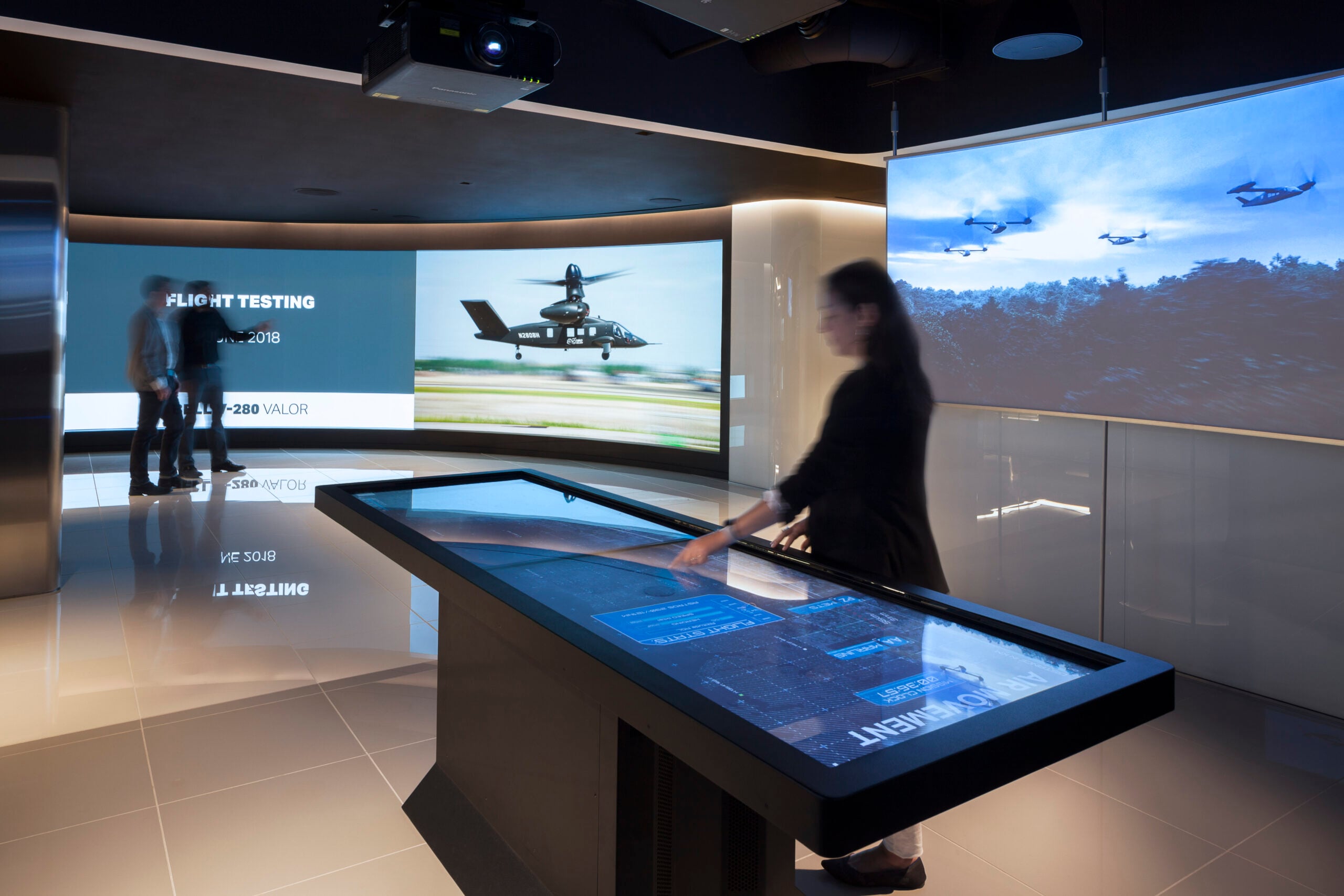
Bell's snazzy new demonstration center may be the future of how defense contractors pitch their tech to Pentagon and congressional staff.

Four military installations, yet to be named, will host experiments in VR training, tracking supplies in “smart warehouses,” and – most importantly – sharing scarce spectrum.
The coming network needed for autonomous vehicles, virtual reality, and the Internet of Things will also bring cybersecurity danger.


A decorated combat aviator and biotech CEO advocates preparing for novel viral threats before the next crisis.
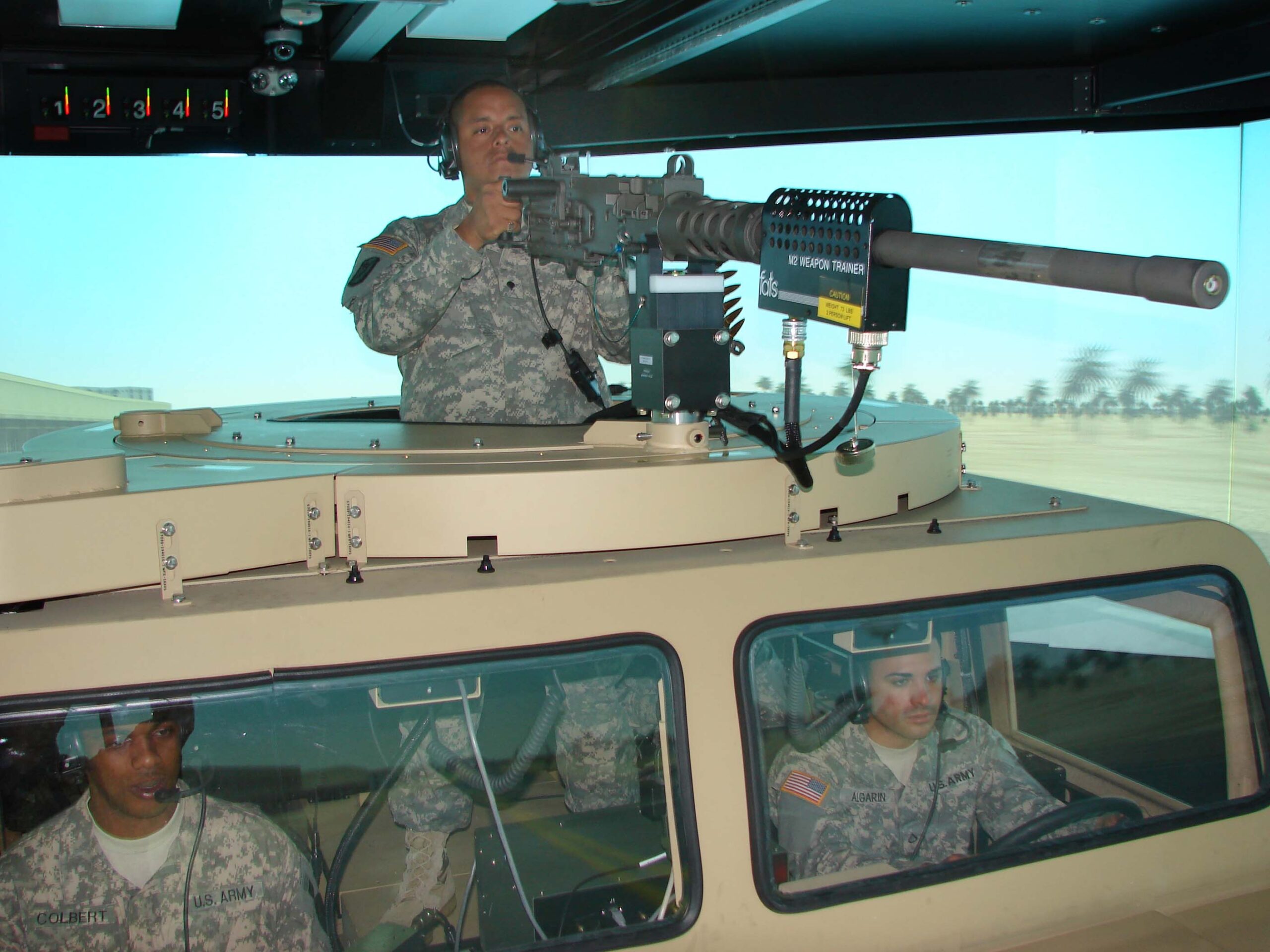
After decades using the same clunky simulators, the Army is about to buy new sims drawing on the latest innovations in online gaming.
Until cyber operators can both train realistically and see the their digital battlespace as clearly as traditional commanders see physical battlespace, they'll be hard-pressed to defend everyone else's systems.
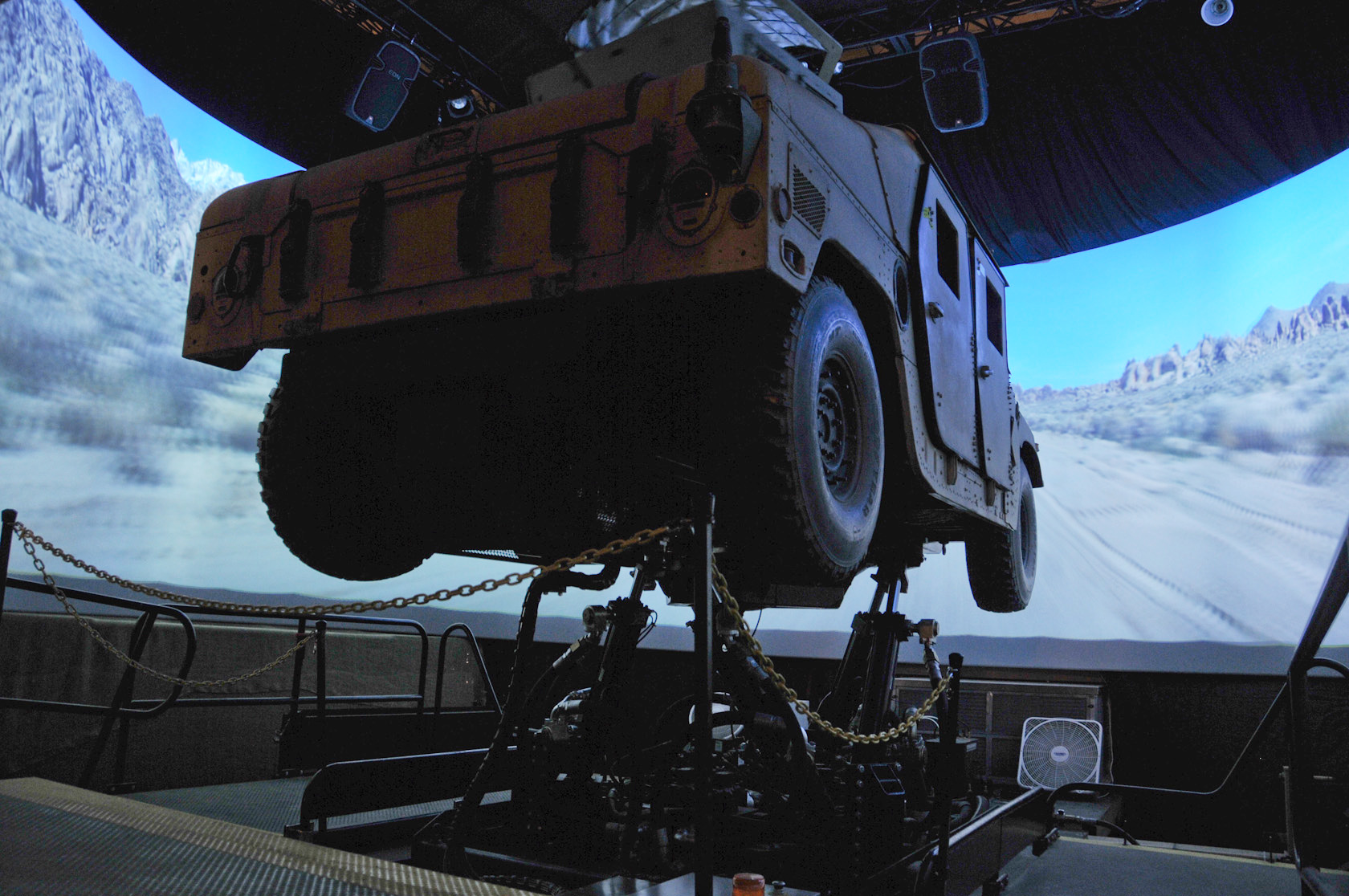
The first phase of the Synthetic Training Environment initiative replaces existing simulators for vehicles. The second phase aims to create — in just two years — something the Army’s never had before: an “immersive” virtual training environment for troops on foot.

"To get a quantum increase in the quality of close combat forces, we can do it in the next two years, (and) the cost compared to the rest of the DoD budget is very small," said retired Maj. Gen. Robert Scales, who chairs the advisory board for Secretary Mattis's Close Combat Lethality Task Force.